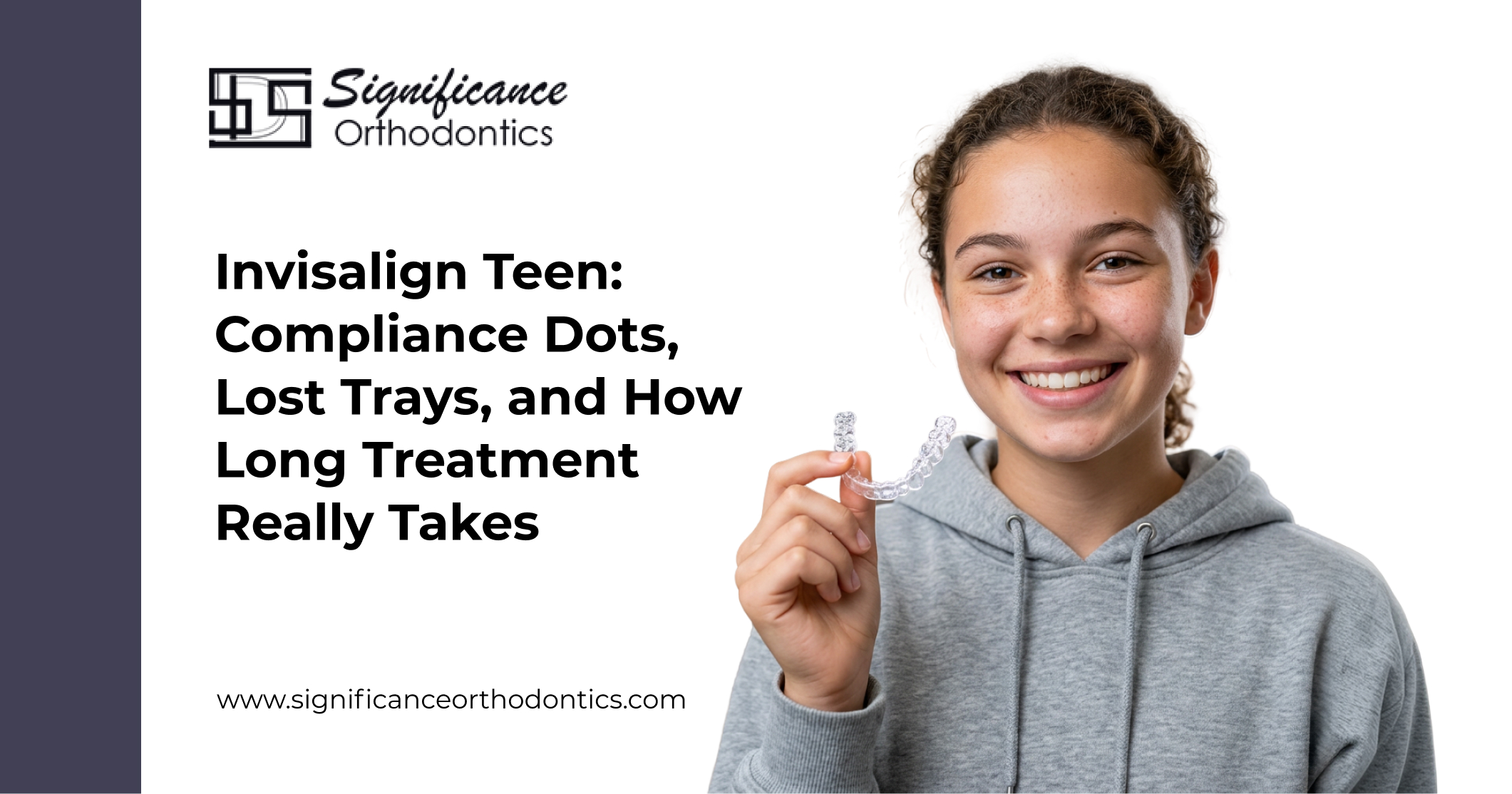
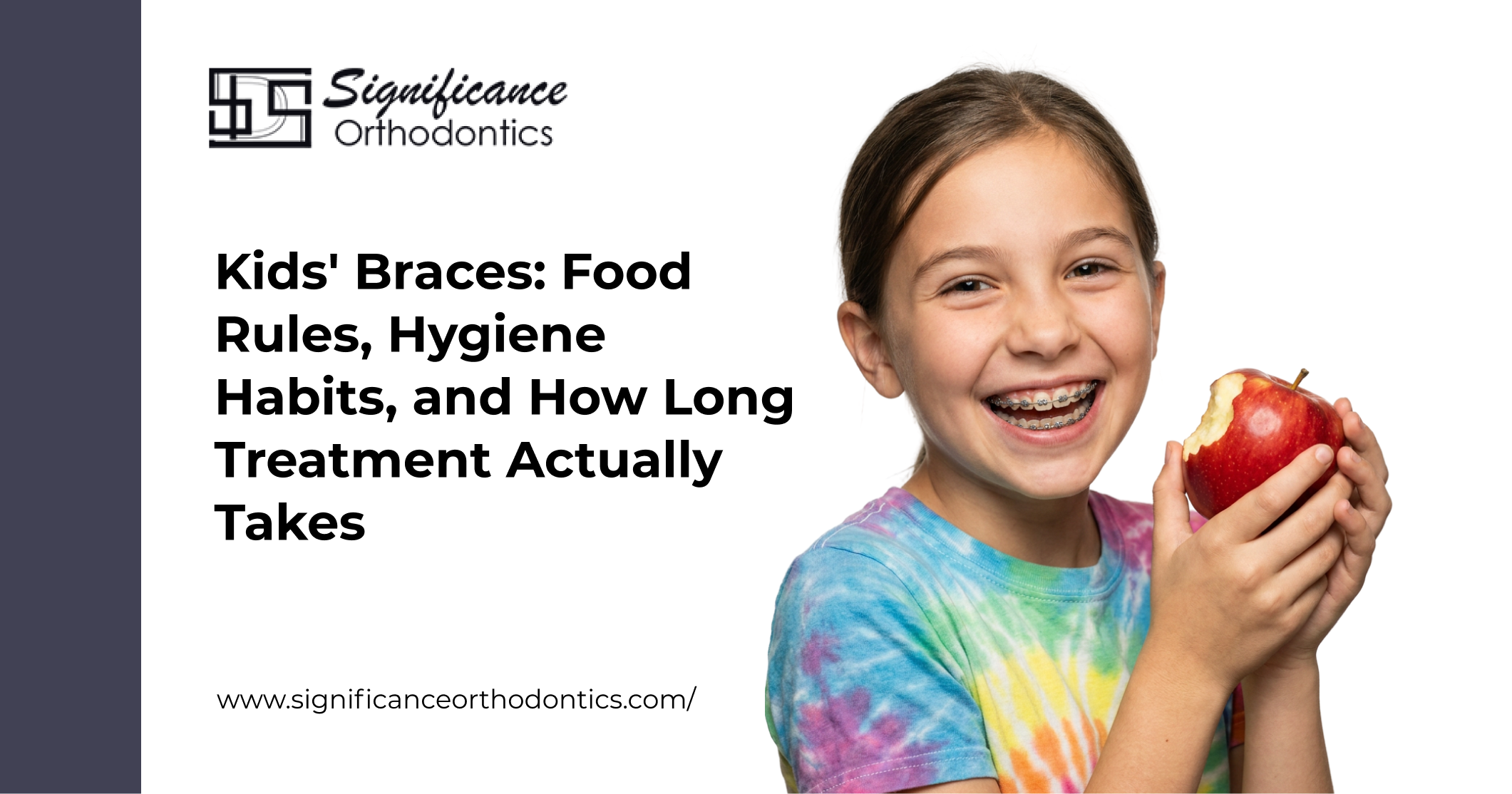
Getting braces used to be a teenage rite of passage. But times have changed, and so has orthodontics. Today, many parents are choosing to start early with Invisalign First, a treatment made specifically for children who still have a mix of baby and permanent teeth.
If you’re wondering whether your child might benefit from early orthodontic care, or if you’re just curious about what Invisalign First actually does, keep reading. We’ll walk you through why more parents are opting for this clear aligner option and how it sets the stage for a healthier, straighter smile later on.
What is Invisalign First?
Invisalign First is part of the broader Invisalign system, but it’s specially designed for children ages 6 to 10 who still have some of their baby teeth. This stage of orthodontics is known as Phase 1 treatment. The goal during this time is not just to straighten teeth but to guide jaw development, address spacing or crowding issues, and help prevent more serious problems in the future.
The aligners are removable, nearly invisible, and made from the same smooth plastic as adult Invisalign trays. But they’re built to handle growing mouths. That means they can help make space for incoming permanent teeth and gently align developing jaws, all without brackets or wires.
Why Start Orthodontic Treatment So Young?
It’s a fair question. After all, if most kids don’t get braces until middle school, why bother starting so early?
The answer is prevention.
Many bite and alignment problems are easier to treat when a child is still growing. At this stage, their bones are more responsive to change. Invisalign First can help correct issues like narrow dental arches, crossbites, crowding, or protruding teeth before they get worse.
Think of it like this: early orthodontic care doesn’t always mean your child will avoid braces later, but it can make future treatment faster, simpler, and more effective.
Plus, early treatment can improve more than just a smile. It can also help with:
- Speech development
- Breathing issues, including mouth breathing
- Chewing and digestion
- Self-esteem and social confidence
What’s the Process Like for Kids?
Every child’s mouth is different, but here’s what the Invisalign First journey typically looks like:
- Consultation:
We begin with a full evaluation of your child’s teeth, bite, and jaw. Using digital scans, we’ll create a 3D model of their mouth to determine if Invisalign First is right for them. - Custom Plan:
If they’re a good candidate, we’ll design a series of clear aligners that will gradually shift their teeth and guide their jaw development. Each set is worn for about one to two weeks before switching to the next. - Wear Time:
Aligners need to be worn for 20 to 22 hours a day, but they can be removed for meals, brushing, and flossing. That makes it easier to maintain good oral hygiene and still enjoy all their favorite foods. - Regular Check-Ins:
We’ll see your child every 6 to 8 weeks to make sure everything is moving as planned and adjust the course if needed.
Is Invisalign First Safe and Comfortable?
Yes, and that’s part of what makes it such a popular option. The smooth plastic is gentle on cheeks and gums, unlike traditional braces, which can cause irritation. There are no emergency visits for broken brackets or poking wires, which parents tend to appreciate.
Because the aligners are removable, there’s less disruption to daily life. Kids can brush and floss normally, eat what they like, and even take the aligners out for school photos or special events (though we recommend keeping that to a minimum to stay on track).
One thing that surprises many parents: kids actually do quite well with the responsibility of aligner wear. In fact, some children are more compliant than teenagers because they love feeling involved in their treatment.
What is the Ideal Age to Start Invisalign First?
The sweet spot for Invisalign First is usually between ages 6 and 10. That said, it’s less about age and more about dental development. If your child has a mix of baby and permanent teeth and your dentist has noticed alignment issues, it might be time for a consult.
At Significance Orthodontics, we’re trained to identify early warning signs and can help you decide if now is the right time to start. Early doesn’t mean rushing, it means being proactive.
What Are the Long-Term Benefits of Starting Invisalign Early?
You’re not just fixing teeth. You’re shaping the foundation for a lifetime of oral health.
Some of the long-term advantages include:
- Reduced need for tooth extractions later
- Shorter and less invasive treatment during Phase 2 (teen years)
- Better jaw alignment and bite development
- Lower risk of trauma to protruding front teeth
- Healthier habits, as early treatment often improves hygiene awareness
Starting treatment early can also make it easier to address issues that, if left untreated, could lead to TMJ problems or sleep-disordered breathing.
How Much Does Invisalign First Cost?
Cost can vary depending on the complexity of your child’s case and how long treatment takes. The good news is that many dental insurance plans cover early orthodontics, including Invisalign First. Our team can help you check your benefits and explore flexible payment options.
It’s also worth noting that early intervention can sometimes reduce the need for more complex and costly treatment down the road.
What is the Difference Between Invisalign and Invisalign First?
While both use the same clear aligner technology, Invisalign First is built specifically for younger mouths. The key differences are:
- Age Range: Invisalign First is for kids aged 6–10, while standard Invisalign is for teens and adults.
- Tooth Development: Invisalign First is designed for mixed dentition (baby and adult teeth), whereas traditional Invisalign is for permanent teeth.
- Treatment Goals: Invisalign First often focuses on expanding arches and making space for future teeth, not just straightening.
They share the same benefits of being discreet, removable, and comfortable, but Invisalign First is optimized for growing smiles.
How Do I Know If My Child Needs Invisalign First?
You don’t have to figure it out on your own. A good first step is to schedule a consultation with an experienced orthodontist. That way, you can get an expert’s perspective and a personalized treatment recommendation.
Some signs that your child may benefit from early orthodontics include:
- Crowded baby teeth or early loss of baby teeth
- Teeth that don’t meet properly or shift when they bite
- Speech difficulties
- Frequent biting of cheeks or tongue
- Thumb-sucking or other habits that may affect bite development
If you’re unsure, come in for a visit. There’s no pressure to begin treatment right away. We’re here to help you understand your options and make the best choice for your child.
What age can a child get Invisalign?
Invisalign First is typically recommended for kids between 6 and 10 years old. It’s best to get an orthodontic screening around age 7 to catch issues early.
How long does Invisalign First take?
Treatment time varies, but most Phase 1 treatments last between 6 and 18 months. Your orthodontist will provide a more specific timeline after your child’s initial scan.
Is Invisalign First better than braces?
It depends on your child’s needs. Invisalign First is great for mild to moderate cases, especially when aesthetics and comfort are priorities. Braces may be preferred for more complex issues, but many kids do well with aligners.
Final Thoughts: It’s About More Than Straight Teeth
Starting your child on Invisalign First isn’t just about getting a straighter smile sooner. It’s about guiding growth, boosting confidence, and making sure their teeth and jaws develop in a healthy, functional way.
At Significance Orthodontics, we believe early care makes a lasting difference. If you’re curious about Invisalign First and whether your child could benefit, we’re happy to walk you through the next steps.